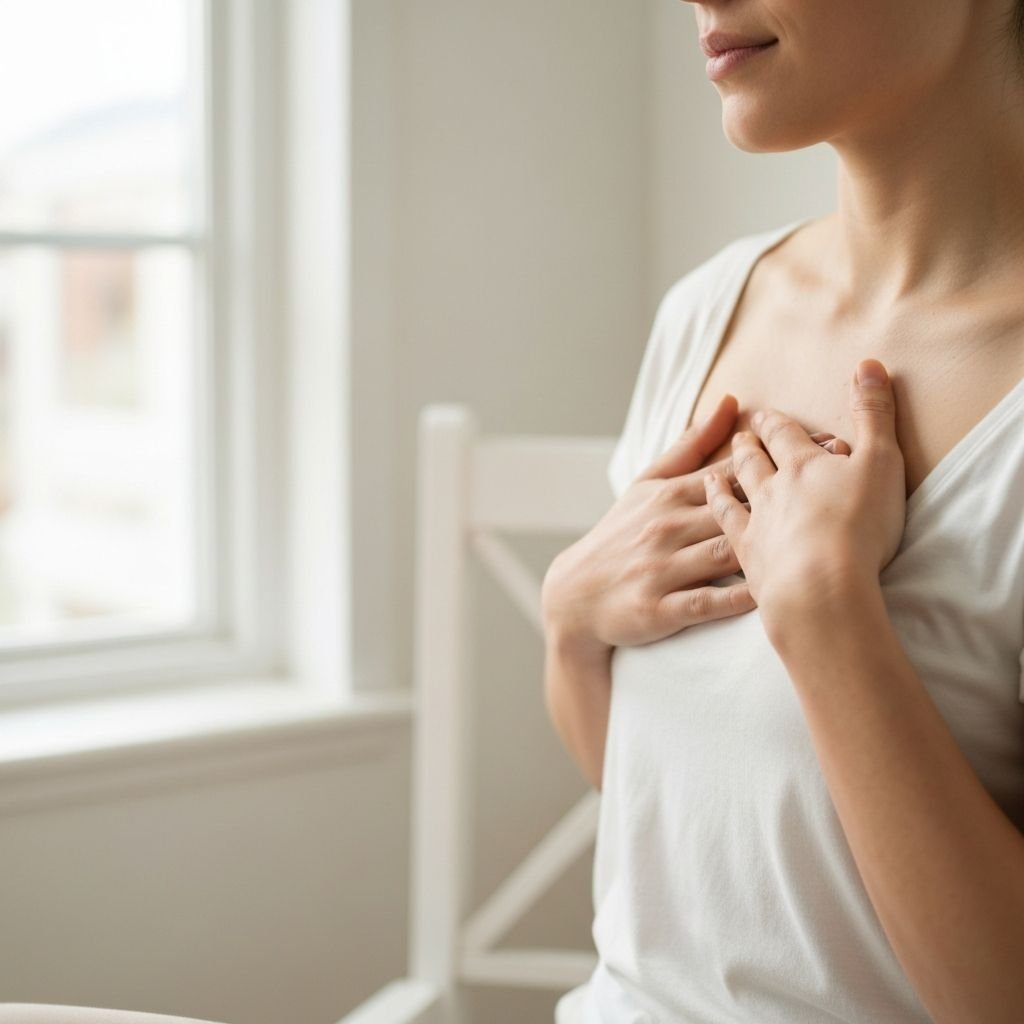
The Science Behind Breathwork and Its Benefits
Understand how breathwork affects the nervous system and overall health.
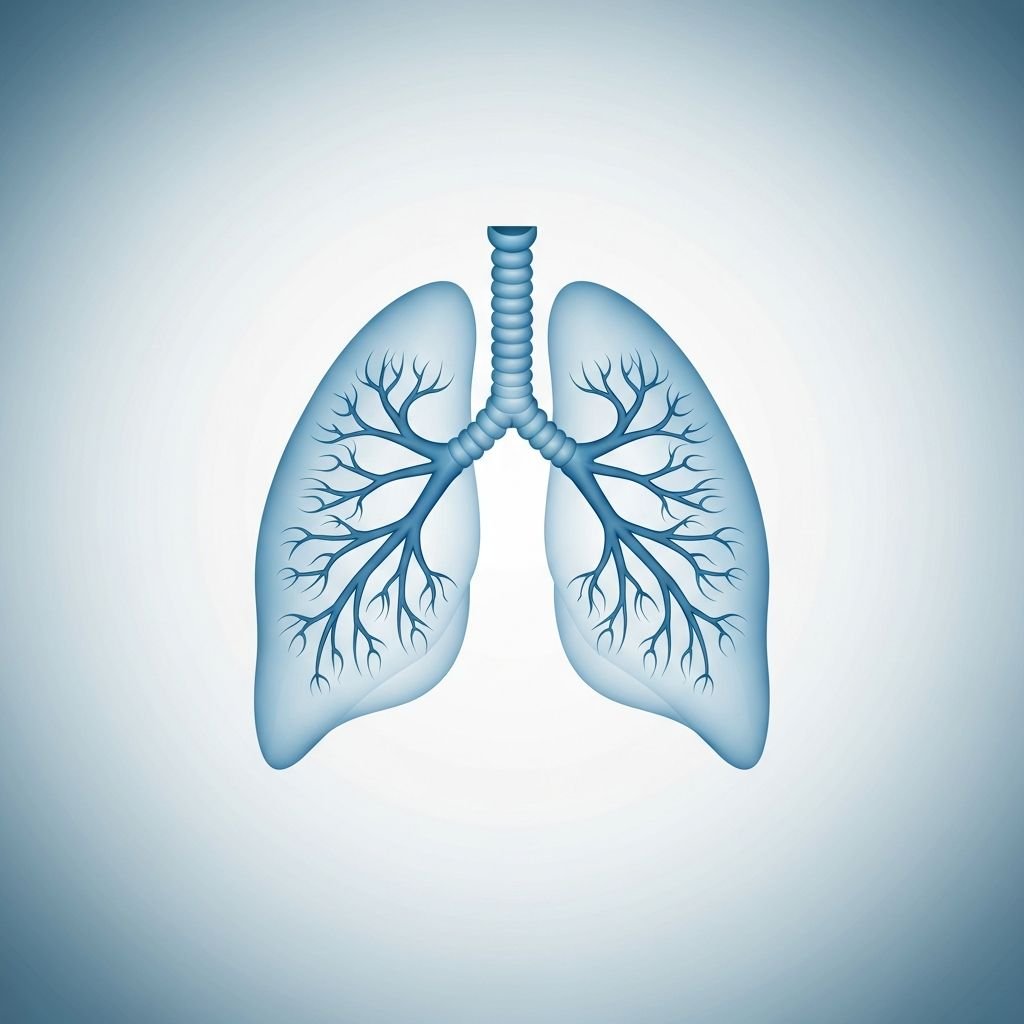
Breathwork — the deliberate control of breath pattern, rate, and depth — has moved from the periphery of wellness culture into the mainstream of clinical research. Stanford neuroscientist Andrew Huberman, Yale University's psychiatry department, and major research hospitals are all publishing studies on how breathwork affects the autonomic nervous system, mental health, and physiological function.
The Anatomy of the Stress Response
When you perceive a threat, the sympathetic nervous system (SNS) activates: heart rate increases, cortisol rises, muscles tense, digestion halts. This fight-or-flight response evolved for genuine physical threats but activates just as powerfully in response to emails, traffic, and social stress.
The parasympathetic nervous system (PNS) — the "rest and digest" system — counteracts this response. The key bridge between these two systems is the vagus nerve, the longest nerve in the body, running from the brainstem to the digestive system and connected to both the lungs and heart.
Breathing as a Direct Lever
Here's what makes breath unique: it's the only autonomic function (like heartbeat or digestion) that can be consciously controlled. And because the diaphragm is physically connected to the vagus nerve, deliberate breathing directly stimulates the parasympathetic nervous system.
Key Research Findings
- **Cyclic Sighing** (double inhale through nose + extended exhale through mouth): Stanford 2022 study found this single daily practice reduced anxiety and improved mood more effectively than mindfulness meditation.
- **Box Breathing**: Demonstrated to reduce salivary cortisol and reported anxiety in Navy SEAL trainees.
- **Holotropic Breathwork**: Extended sessions of rapid breathing are associated with altered states, emotional release, and reported healing of trauma — though research is preliminary.
- **Wim Hof Method**: Combination of hyperventilation cycles and breath holds associated with voluntary immune system influence, cold tolerance, and anti-inflammatory effects.
Practical Applications
For stress management: slow, extended exhales activate the PNS. Any pattern where the exhale is longer than the inhale will create calm.
For energy: short, sharp exhales (like Kapalabhati) activate the SNS in a controlled way, creating alertness without anxiety.
For sleep: the 4-7-8 technique or extended sighing breath just before sleep accelerates sleep onset.