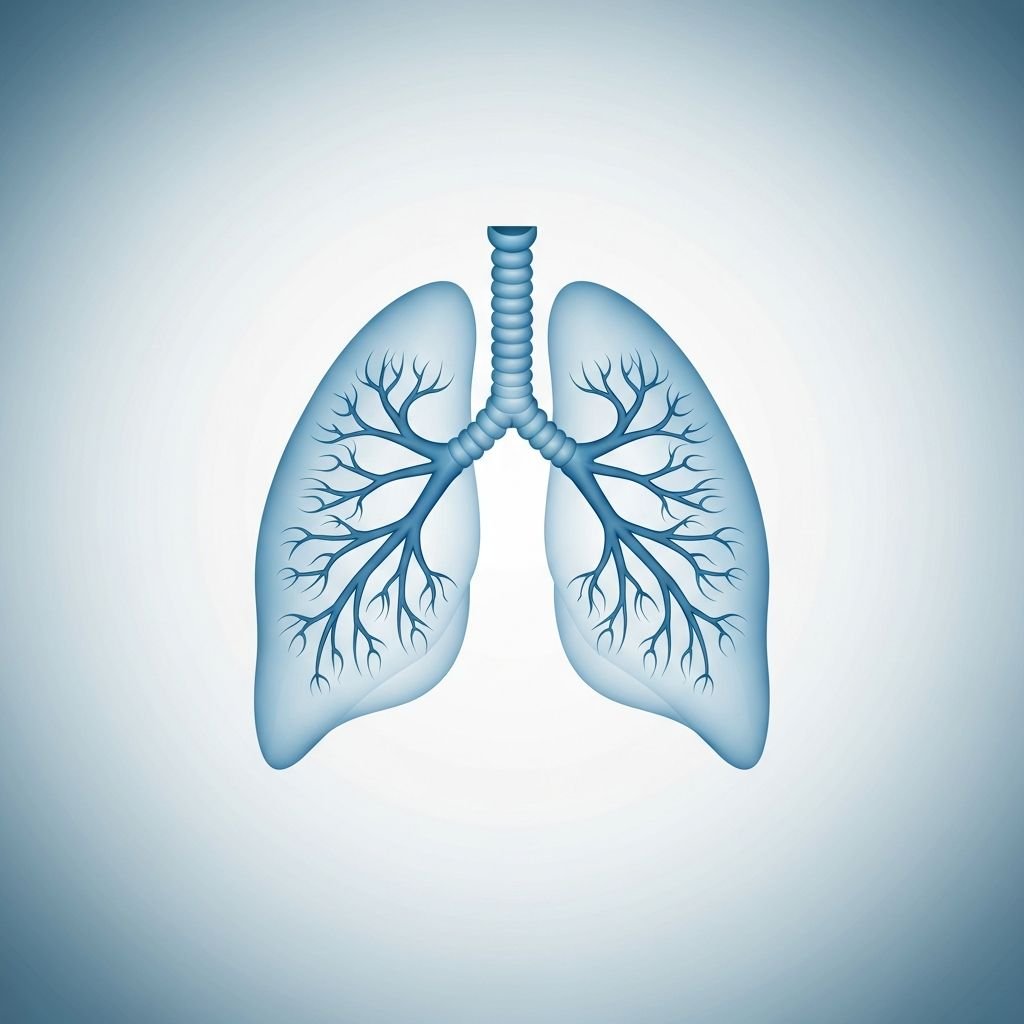
5 Simple Breathwork Techniques to Reduce Stress
Explore five effective breathwork exercises to calm your mind, release tension, and boost energy.

Breathwork is one of the most immediate and powerful tools for shifting your nervous system. Unlike many wellness practices that require equipment or classes, your breath is always available — and learning to direct it consciously can change how you feel within minutes.
Why Breathing Works
The breath is unique among bodily functions: it happens automatically, but you can also control it deliberately. When you slow and deepen your breathing, you activate the parasympathetic nervous system — the body's "rest and digest" mode — which counteracts the fight-or-flight stress response.
1. Box Breathing (4-4-4-4)
Used by Navy SEALs and first responders to manage high-pressure situations. Inhale for 4 counts, hold for 4, exhale for 4, hold for 4. Repeat 4–6 cycles. This creates immediate calm and focus.
2. 4-7-8 Breathing
Developed by Dr. Andrew Weil. Inhale through the nose for 4 counts, hold for 7, exhale through the mouth for 8. The extended exhale activates your vagus nerve and rapidly reduces anxiety.
3. Alternate Nostril Breathing (Nadi Shodhana)
A classic yogic pranayama technique. Close the right nostril with your thumb and inhale through the left. Close both, then release the right and exhale. Reverse. This balances the left and right hemispheres of the brain, promoting equilibrium.
4. Belly Breathing (Diaphragmatic)
Most of us breathe shallowly into the chest. Place one hand on your belly — as you inhale, the belly should rise before the chest. This activates the full capacity of the lungs and the diaphragm's massaging effect on the vagus nerve.
5. Stimulating Breath (Kapalabhati)
Quick, rhythmic exhales through the nose, allowing passive inhales. Start with one exhale per second for 30 cycles. This clears the mind, boosts energy, and is excellent for morning practice.
Practice Tip
Even one session of 5–10 minutes daily will build your capacity to self-regulate stress over time. Apps like iBreathe or Prana Breath can guide your timing.